What is a circus winch?
A circus winch is an electromechanical lifting mechanism that moves a performer, aerial apparatus or scenic element along a defined path. For aerial performance, it must be selected together with the wire rope, pulley blocks, suspension points and control system.
Choose a circus winch for the movement, not for a single load-capacity number. Two models with the same rated load will produce different results because of speed, motion path and control method. Start by describing the act: who or what moves, where the load travels, how many points work together and who controls the mechanism.
This sequence helps prepare a technical brief, compare models and identify constraints before installation. Any configuration for lifting people needs confirmation by an engineer or responsible venue specialist with regard to the project, equipment documentation and safety requirements.
1. Describe the movement
Record the act scenario first. Specify where the performer or prop starts, where the travel ends, whether intermediate stops are needed, what acceleration the audience should see and how many mechanisms run at the same time.
Prepare these details for initial selection:
- what moves: a performer, aerial apparatus, scenery or an assembly of several elements;
- the mass of the performer, apparatus, rigging, connectors and moving section of steel wire rope;
- upper and lower points, working travel and distance to guide pulleys;
- required lifting time or preferred speed;
- number of independent points and the synchronisation requirement;
- frequency of lifts during rehearsals and performances;
- venue conditions: indoor or outdoor use, temperature, dust and humidity;
- power supply, installation position, attachment method and service access.
A precise movement description reduces the risk of choosing a powerful but inconvenient winch, or a model without the required speed and control options.
2. Calculate the working load
Include the performer, apparatus, suspension system, carabiners, costume elements, moving section of steel wire rope and the full assembly carried by the winch. For scenery or frames, calculate the mass of the entire moving structure.
The static mass total does not equal the required load capacity. Acceleration, braking, direction changes and jerks add force. Speed, acceleration, system elasticity, pulley layout and act dynamics all affect the calculation. Select the margin from the calculation, not from a generic allowance.
Send the engineer the actual masses, suspension layout and movement description. Do not understate the load to obtain a smaller model, and do not select capacity by total weight alone.
3. Agree speed and smoothness
Speed shapes the act as much as the trajectory. A slow reveal needs one movement character, while a dynamic vertical act needs another. Higher speed increases demands on power, braking, attachment and the whole suspension system.
The LGPC line includes several load and speed combinations:
- up to 250 kg at up to 1.5 m/s;
- up to 270 kg at up to 2.0 m/s;
- up to 500 kg at up to 1.0 m/s;
- up to 700 kg at up to 1.0 m/s;
- up to 800 kg at up to 0.8 m/s;
- up to 1000 kg at up to 0.5 m/s.
These values show available configurations, but they do not replace selection. The same speed feels different over short and long travel. Acceleration, deceleration and stopping accuracy also shape the production. A frequency inverter helps tune smooth travel when the act mechanics and selected model allow those modes.
4. Check lifting height and steel wire-rope layout
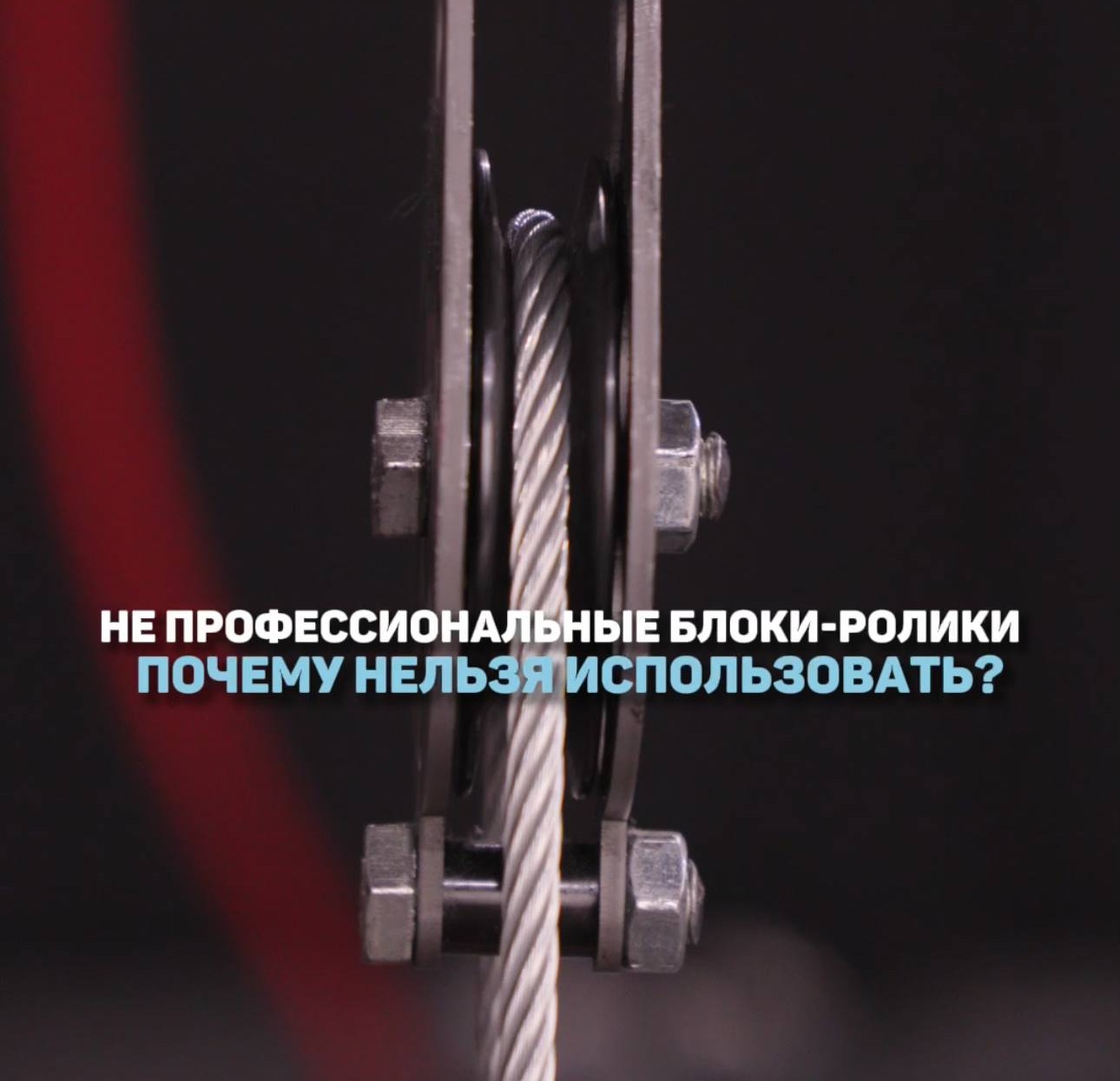
The distance between end points does not show the full rope length. The layout includes the path from the winch to the first pulley, the number of bends, the reserve on the drum and the attachment points.
Show in the layout:
- the winch and guide-pulley locations;
- the working travel length;
- the minimum and maximum load positions;
- rope entry angles on the drum and pulleys;
- places where the steel wire rope may contact structures.
Select the steel wire rope together with the corresponding winch drum from the outset. LGPC models use ropes of different diameters, so coordinate any rope replacement with the manufacturer or responsible engineer.
5. Choose the control format
One winch with a simple movement can use a remote hand pendant. Several mechanisms may use double or triple pendants. Choose cable length according to the operator position, safe zone and cable route.
Choose computer control when the production needs:
- synchronised operation of several winches;
- the same trajectory from show to show;
- programmed movement sequences;
- coordination with music, lighting or stage events;
- control of individual mechanisms and groups from one interface.
Agree the control format while selecting the winch. This makes it easier to verify compatibility between drives, sensors, electrical components and future automation.
6. Check brakes and travel limits
When people are lifted, safety cannot rely on operator reaction or one system element. The LGPC models described here use two electric brakes, while working and emergency automatic stop devices monitor the upper and lower positions.
When comparing models, ask:
- how many braking devices the system has;
- how the mechanism behaves after power loss;
- which limit devices monitor the end positions;
- how the operator triggers an emergency stop;
- which checks are completed before commissioning;
- how personnel monitor the brakes and limit devices.
Separate protective components do not make a system safe by themselves. Evaluate the complete chain: winch, wire rope, pulleys, attachment, electrical system, control logic and crew procedures.
7. Check venue readiness
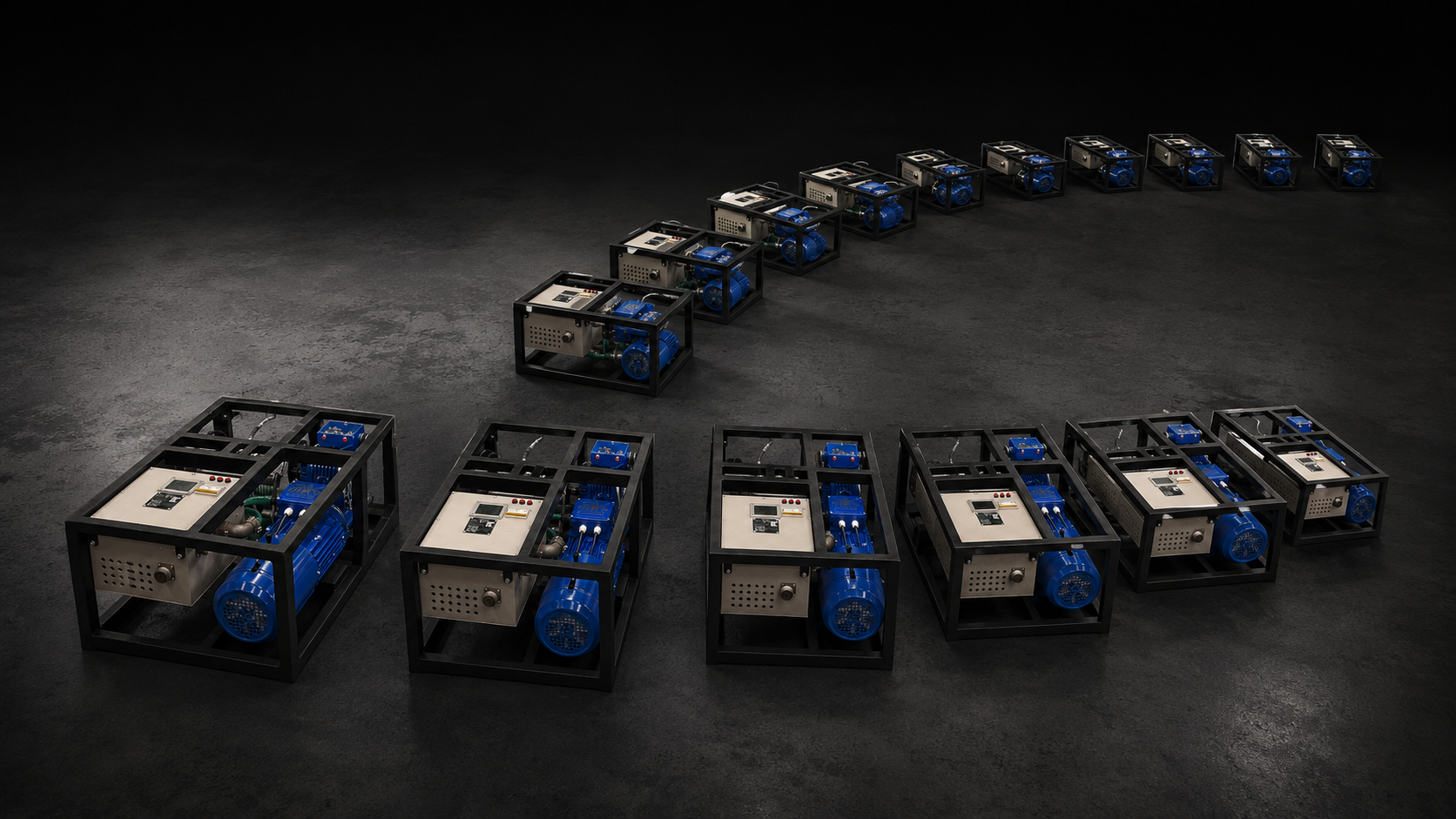
A winch with suitable specifications may still fail the project because of its dimensions, power requirements or service access. LGPC frame dimensions depend on the series: compact versions start at about 750 × 500 × 360 mm, while larger high-capacity models can reach 930 × 730 × 530 mm. Leave space around the equipment for installation, inspection and scheduled work.
Before ordering, check:
- the load capacity and geometry of the attachment location;
- the frame fixing method;
- voltage, available power and connection parameters;
- power and control cable routes;
- access to the brakes, drum and electrical equipment;
- protection from weather and unauthorised access;
- the delivery and lifting route to the installation position.
For touring use, assess kit weight, packaging, assembly speed, repeatable attachment and protection of peripheral devices during transport.
8. Check kit contents and service
Compare the supplied kit, not only the mechanism. A project may need an additional steel wire rope of the required length, an extended pendant cable, power cables, additional fasteners, transport packaging and installation work.
Before ordering, clarify the required technical documentation, installation and dismantling procedures, warranty and service intervals. The responsible venue employee records checks before each use, scheduled operations and the conditions that stop operation until a specialist inspects the equipment.
9. Short selection algorithm
- Describe the movement: object, trajectory, travel, speed and number of points.
- Collect the loads: performer, apparatus, rigging and all moving elements.
- Prepare the layout: winch position, pulleys, steel wire rope and attachment points.
- Record the conditions: power, dimensions, operating environment and duty.
- Choose the controls: manual or computer-based.
- Agree the protective measures: brakes, end positions and emergency stop.
- Obtain engineering selection: verify the configuration as one system before ordering.
Winch models to compare
For an initial selection, compare the working load and speed of these standard models:
- Sport-2 winch, 200 kg, up to 1.5 m/s;
- LGPZ-6 circus winch, 290 kg, up to 1.5 m/s;
- LGPZ-7 circus winch, 375 kg, up to 2 m/s.
The final configuration depends on the required movement, calculated load and venue conditions. Other versions are listed in the circus winch catalog.
What to send for selection
Send the performer and apparatus mass, required height and speed, number of winches, venue layout with attachment points, power parameters, control format, operating city and project dates. A video of a similar movement or a suspension drawing will speed up selection.
Available models are listed in Winches. If a standard configuration is not enough, an engineer can select a system for the specific production.