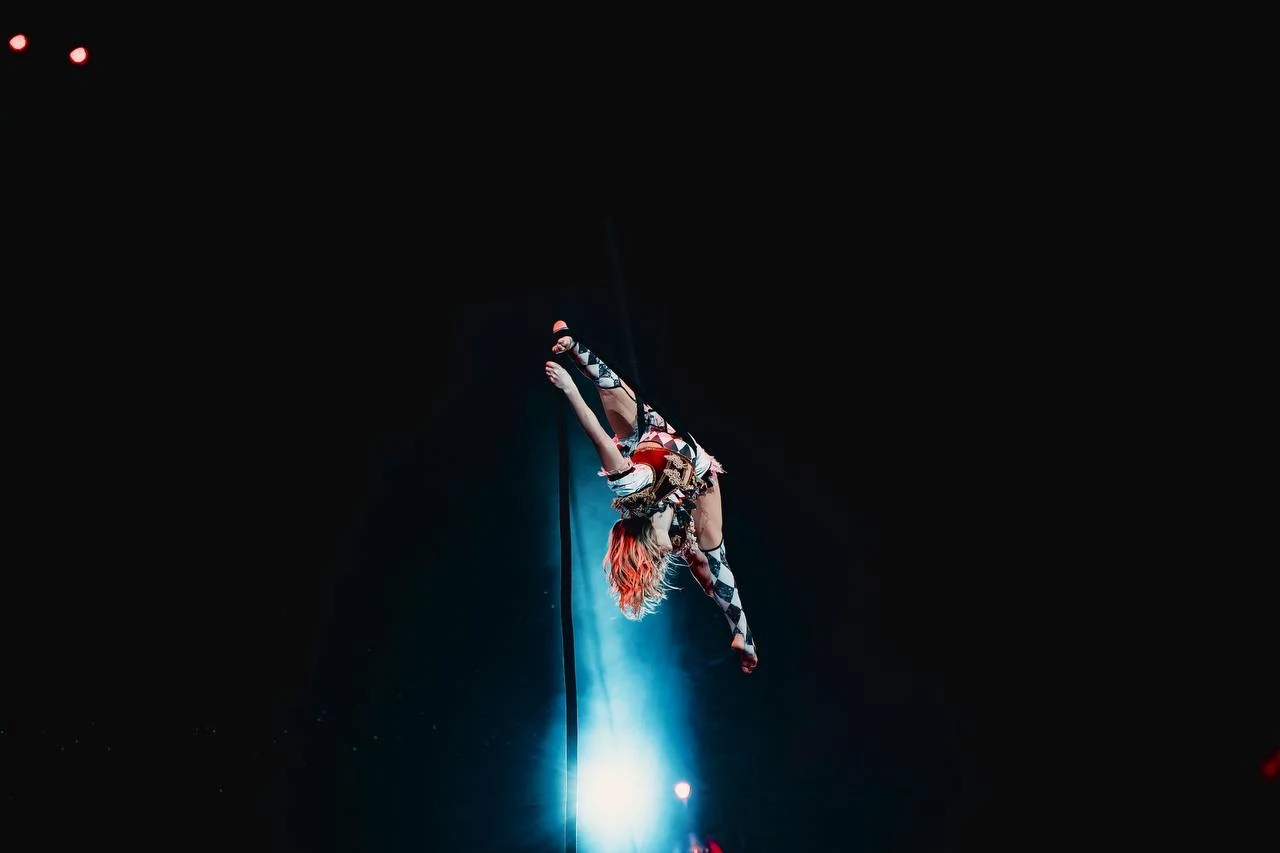
Circus suspension relies on the full load path: the load-bearing structure, attachment point, rigging, aerial apparatus, winch and installation crew permits. One weak element can compromise the whole system, so the crew checks the load path from performer and apparatus to the building structure before installation.
Russian practice uses several groups of requirements: occupational safety in circus and performance venues, work at height, fall-protection PPE, machinery and equipment safety, lifting facilities and building load standards. Before a project, check the current document versions and the requirements of the specific venue.
Standards to consider
For the circus environment, use Russian Ministry of Labor Order No. 914n on occupational safety rules for theaters, concert halls, circuses, zoo theaters, zoos and oceanariums. It applies to circus performances and theatrical events. The document covers technical inspection of circus apparatus with auxiliary and safety devices, and coordination of the apparatus and safety-device suspension location with the ring inspector or the people responsible for venue operation.
For work at height, use Russian Ministry of Labor Order No. 782n. It regulates worker authorization, fall-protection systems, anchor devices, ladders, platforms and lifting mechanisms used for work at height.
For PPE, consider TR CU 019/2011 on personal protective equipment safety. For winches, mechanisms and machines, consider TR CU 010/2011 on machinery and equipment safety.
Suspension point
Start with where the load goes. The suspension point needs a venue passport, permitted suspension-point diagram, load-capacity calculation or conclusion from a responsible specialist. For a beam, truss, frame, embedded ceiling element or temporary structure, record the permitted load and load direction.
Aerial performers create dynamic loads. Swinging, rotation, drops, catches in fabric and sudden stops increase force at the suspension point. The calculation cannot stop at "performer weight plus apparatus weight".
For building structures, load and action calculations are made with SP 20.13330.2016 "Loads and Actions". This code sets requirements for loads, actions and their combinations for buildings and structures.
Aerial circus apparatus
Before installation, inspect the apparatus: hoop, silks, straps, trapeze, loops, corde de pareille or another device. The apparatus needs a passport or technical documentation with purpose, permitted load, materials, assembly layout, attachment points, limits, service life, inspection procedure and test method.
Check welds, lugs, rings, bushings, holes, carabiners, ropes, textiles, fabric-to-metal contact points, wraps and protective elements. Cracks, corrosion, deformation, play, tears, abrasion, elongated holes or unknown part origin stop installation until a specialist checks the apparatus.
Rigging
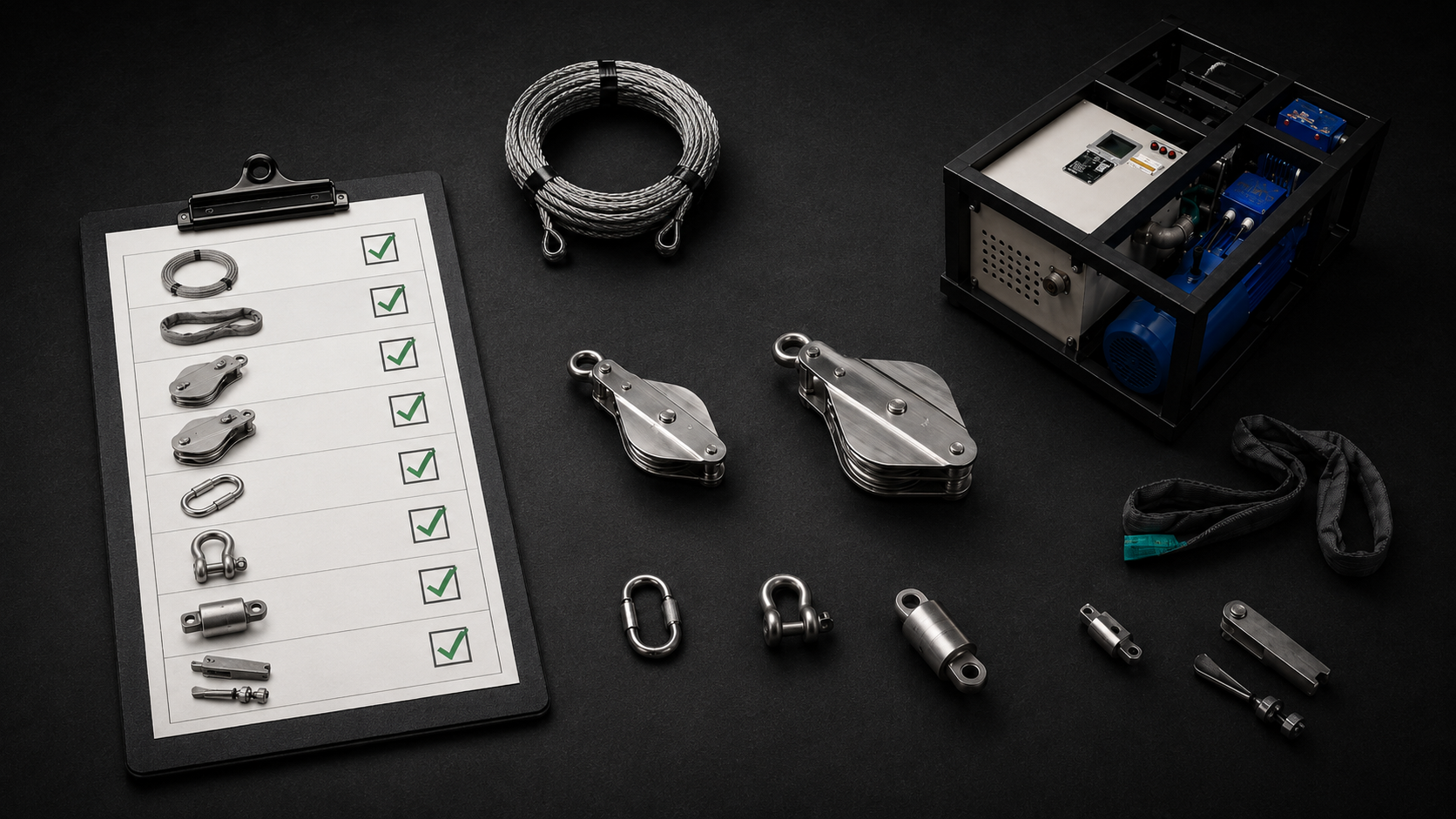
Rigging includes everything between the apparatus and the suspension point: shackles, carabiners, wedge clamps, roundslings, chains, wire ropes, swivels, turnbuckles and other connecting elements.
Each element needs readable marking, known working load and a purpose suitable for suspended or lifting work. Do not use household carabiners, decorative chains, construction elements without passports, random eyebolts, unknown shackles or homemade parts without calculations and tests.
For wire-rope slings used in construction, GOST R 58753-2019 applies. It replaced GOST 25573-82 in Russia and describes wire-rope slings as load-handling devices made of steel wire rope with connecting elements.
Check sling angles separately. The larger the angle between legs, the higher the force in each leg. Incorrect suspension geometry can overload even a high-quality sling.
Winches and lifting mechanisms
Winches, hoists, motors, pulleys and movement mechanisms are checked as higher-risk equipment. The mechanism needs a passport, operating manual, permitted load, service procedure, list of checks and limits.
Before installation, check the brakes, limit switches, emergency stop, wire rope or chain condition, drum attachment, control operation and absence of unintended movement.
TR CU 010/2011 requires machinery and equipment safety to be considered during design, manufacturing, installation, commissioning and operation, with risk assessment and operating documentation.
If the equipment belongs to lifting facilities subject to industrial safety requirements, consider Rostechnadzor Order No. 461 on safety rules for facilities using lifting structures.
PPE and installers working at height
Suspension installation often takes place under the dome, on trusses, ladders, lifts, galleries or stage structures. Before work begins, check height-work authorization, briefing, work permit where required, fall-protection system, anchor points, helmets, harnesses, lanyards, energy absorbers, connectors and the evacuation plan.
For fall-protection systems, use relevant standards as guidance: GOST EN 795 for anchor devices, GOST R EN 362 for connectors, GOST R EN 361 for full-body harnesses and GOST R EN 365 for instructions, maintenance, periodic inspection, repair and marking of PPE against falls from height.
Area below the suspension
Before installation, mark the danger zone below the work area. Keep spectators, performers, students, administrators and uninvolved staff out of it.
Secure tools against falling. Keep all rigging and tools in closed bags or on safety lanyards. A small part falling from height can seriously injure a person.
Open the area after inspection, confirmation that all connections are secured and authorization by the responsible person.
Control assembly and testing
After assembly, do not hand the suspension to the performer immediately. First inspect the system. Check closed connections, secured shackle pins, locked carabiners, untwisted slings, textile protection from sharp edges, correct load axis and independent operation of safety elements.
Then perform a trial check or test using the method from the apparatus and venue documentation. The test is not a random "overload for confidence": it confirms system condition under an approved method and does not consume equipment service life without reason.
Authorizing rehearsal
Before the performer enters, hold a short briefing. The crew records who is responsible for the suspension, who controls the winch, who gives the stop command, where the danger zone is and how to act in an abnormal situation.
Aerial acts need an emergency descent plan. If a performer is suspended at height, a mechanism jams, power is lost or someone becomes unwell, the crew must bring the performer down quickly and safely.
Final pre-installation checklist
Before installation, check:
- Suspension point: calculation, venue passport, permitted load, approval.
- Load-bearing structure: ability to carry static and dynamic loads.
- Circus apparatus: passport, marking, condition, test method.
- Rigging: working load, marking, compatibility, absence of damage.
- Winches and hoists: passport, brakes, limit switches, maintenance, condition.
- Installer PPE: compliance, inspection, service life.
- Work area: barriers, no people below the suspension, falling-object protection.
- Documents: suspension layout, inspection log, work permit where required.
- Rehearsal: trial check, commands, emergency stop, emergency descent.
Safety lanyard components
Depending on the act documentation, the system may include:
Choose the system components from the act documentation, suspension layout and venue conditions.
Ready for work
Authorize rehearsal after checking the suspension point, rigging, apparatus, mechanisms, work area and rescue plan. At that point the crew knows the loads, sees sound elements, understands responsibility and has a procedure for normal operation and emergencies.